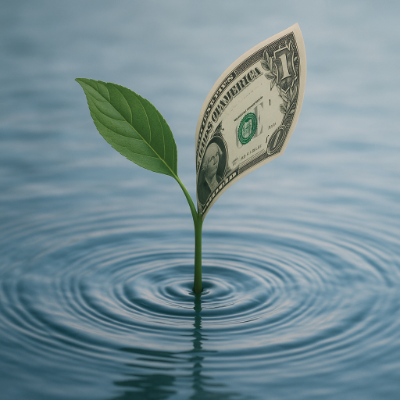

Among the different forms of borrowing, credit card and consumer debt stand out as the most common. These obligations are woven into daily life and often feel like an easy solution in the moment. A small purchase on a card or a monthly payment plan for a household item can seem harmless. Over time, though, these debts create pressure that lingers far beyond the original purchase. They drain resources, limit choices, and add stress to everyday living. To see the full picture, you need to understand how these debts work, why they grow so quickly, and the weight they add to your financial stability.
The Nature of Credit Card Debt
Credit card debt is one of the easiest obligations to take on and one of the hardest to escape. Purchases are small at first, but balances grow quickly. The ease of swiping a card hides the reality that every transaction adds to the amount you owe. When balances are not paid in full, interest charges begin to build.
These interest rates are often among the highest of any type of debt. Even a modest balance can grow into a burden when left unpaid. Minimum payments create a false sense of progress because most of what you pay goes toward interest rather than the original balance. This cycle stretches the debt over years and greatly increases the total cost of purchases.
The weight of credit card debt goes beyond numbers. It restricts financial flexibility, making it harder to save, invest, or respond to unexpected expenses. What begins as short-term convenience becomes a long-term obstacle that undermines stability.
The Reality of Consumer Debt
Consumer debt covers installment loans for items such as vehicles, appliances, furniture, and personal goods. These loans are often marketed as affordable monthly payments. The focus on small installments hides the fact that the total cost is much higher than the original price tag. Interest and fees add up, leaving you paying far more than the item was worth.
This kind of debt easily slips into daily life. Buying on installments creates the impression of control, but the repayment schedule locks you into a long-term obligation. Each new purchase added to existing payments squeezes your budget further. What feels like a manageable expense in the short term becomes a drain on your ability to save or prepare for larger financial needs.
Consumer debt also plays on lifestyle pressure. The desire for comfort or the urge to keep up with others pushes many people to borrow for items that could have been delayed or avoided altogether. Over time, these choices stall financial progress, tying up resources in goods that often lose value quickly.
Emotional and Social Strain
The cost of credit card and consumer debt extends beyond money. Carrying balances creates ongoing stress. The pressure of bills arriving each month weighs heavily, especially when payments take up a large portion of income. Anxiety builds when it feels impossible to get ahead.
Debt also places strain on relationships. Disagreements about spending, repayment, and priorities often surface in households where debt is present. These conflicts erode trust and add tension to daily life.
There is also the limitation debt places on your future. When income is tied to past purchases, you lose flexibility. Opportunities that require savings or extra cash become harder to pursue. Instead of using money to move forward, you remain tied to obligations from the past.
Credit card and consumer debt are easy to enter but difficult to leave behind. What begins as a small purchase or a manageable monthly payment grows into years of repayment. The interest and fees consume resources that could have built stability. The stress and conflict that follow make the burden heavier than the original cost of the items.
When you recognize the full weight of these debts, you see that the short-term convenience rarely delivers lasting value. Choosing to limit or eliminate them is a step toward freedom. By addressing these common forms of debt, you clear space for choices that bring security and peace of mind.

Finance Health
Focused on long-term growth and financial resilience, Finance Health is a voice of compound interest, consistency, and the long game.